
You download a shiny new task app at 9 PM, color-code everything, and feel unstoppable.
By Thursday, it’s one more tab you avoid making eye contact with.
I have ADHD, and I’m building a small team of AI bots to work around it.
So I had one of them dig through the research, including 13 YouTube talks from ADHD clinicians and creators.
These 9 notes surprised me most, and every one links to the original.
Quick note: I’m just sharing what I found, and none of this is medical advice.
1. Importance Is Only a Nag
Psychiatrist William Dodson says ADHD attention runs on interest, challenge, novelty, urgency and passion.
In his ADDitude webinar on the overlooked features of ADHD, he says it plainly: “Importance rewards and consequences are nothing but a nag to me.”
A sticky note that says IMPORTANT works about as well as a smoke alarm with no battery.
It’s a clinical model with no direct tests yet, so I treat it as a design lens and give every task card a hook, like a 20-minute race.
2. Time Has to Live Outside Your Head
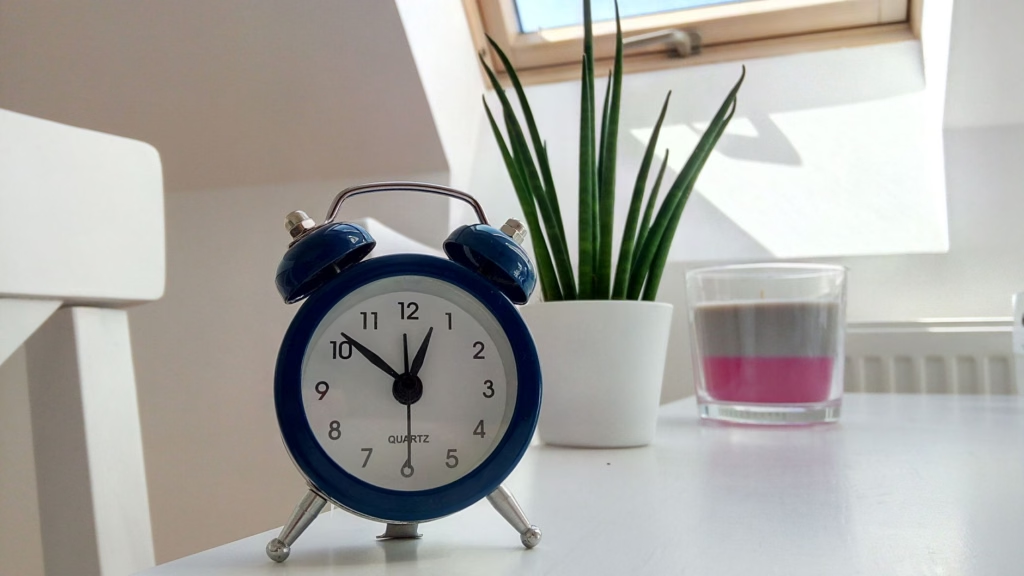
In his Burnett lecture on treating ADHD, Russell Barkley says to use “clocks timers counters… put time outside of you so that you can see it passing.”
He wants the cue at the point of performance, where and when you do the thing.
A reminder at 11 PM the night before is a reminder for a version of you who’s already asleep.
So I want my bots to nudge me when I sit down to work, with the minutes left on the clock.
3. Ask What Kind of Stuck You Are
In Can’t Start Tasks? Try This Now, Jessica McCabe from How to ADHD diagnoses the stuck before picking a tool.
Overwhelm gets a top-three list, no urgency gets a timer as a “starting gun”, and a painful task gets a small reward along the way.
For a task that feels too big, she has my favorite line: “If the first step still feels daunting, it’s probably still too big.”
It’s what a mechanic does when they ask what the noise sounds like before grabbing a wrench.
4. Barrier-Hunting Counts as a Win
In the same video, McCabe says that on days she can’t start, “I go barrier hunting.”
She clears space, finds headphones, and sometimes takes a nap, because “Next time… it’ll be so much easier to get started.”
A nap made the official list, which I fully support.
On a slow day, a bot can suggest one barrier to clear for tomorrow, like opening the file or charging the mic.
5. A Bot Can Sit With You While You Work
Body doubling means working while someone else is present.
A 220-person survey by Eagle and colleagues found people with ADHD commonly use it to start, focus and finish, with no proof of cause yet.
Psychiatrist Tracey Marks, in her video on why people with ADHD procrastinate, says to pick “someone who can watch you work without shaming you when you struggle.”
A bot has zero opinions about how long I stared at a blank page, which makes it a very polite coworker.
My 5 PM nudge offers two choices: a 5-minute start with the bot as my body double, or moving the task to tomorrow.

6. Let a Morning Energy Check Plan Your Day
Marie Poulin plans her days around her energy level, as she explains in her post about life after an ADHD diagnosis.
On high-energy days, Amber Figlow batches 4 to 6 YouTube videos a day and rests afterward.
On a zero day, rest is the plan, and no trial tests these energy tiers yet.
Starting this week, my morning brief includes a one-tap energy check with three levels: green, yellow and white.

7. Count Your Wins and Retire the Streak
A broken streak can trigger the “what-the-hell” effect, where one slip makes people drop the goal, says a Virginia Tech summary of the research.
A cumulative count like “14 pieces shipped this quarter” survives a bad Tuesday.
McCabe gives herself partial credit in her video on having too many creative ideas: “today I did 20%… instead of beating myself up over not doing 100%.”
A streak counter is basically a tiny cartoon owl holding your self-esteem hostage.
8. Give Every Shiny Idea 24 Hours
In his ADHD 2.0 talk with Joe Polish, Ned Hallowell suggests you “partner up with someone who’s more cautious because it’s awfully hard for us to exercise that on our own.”
Dodson’s slides on how ADHD shapes perception add a warning: “Newness is time-limited.”
My research suggests a 24-hour cool-off, where a new project waits a day and then a bot asks once if it’s still a yes.
9. Keep the Part You Love
McCabe once handed off her comment replies to save time, and she got less productive.
Now she reads comments for the first hour after a video goes live, as she explains in the same creative ideas video.
Automating the bit that gives you energy saves ten minutes and drains the whole tank.
Before you hand a job to a bot, check whether it’s a job you secretly enjoy.
Your Brain Needs Hooks and Kind Systems
ADHD brains run on hooks, visible time, and systems that forgive a bad day.
Pick one note and try it on tomorrow’s to-do list.
If tomorrow turns into a zero day, congratulations, you’re already following note number six.