
Tag: Writing Tips

  • How Consistency Builds Prolific Online Writers

    How Consistency Builds Prolific Online Writers

    Most beginner writers think they need talent.

    What they actually need is repetition.

    Every “prolific” writer started out clueless. The difference is they kept showing up when others gave up.

    Consistency is the quiet engine behind every writer who seems unstoppable.

    Let’s look at how it turns beginners into people who can’t not write.

    The Power of Consistency

    Consistency beats inspiration every time.

    Inspiration is a guest that never shows up when you need it.

    Consistency is the roommate who’s always there, whether you like it or not.

    When you write regularly, even short pieces, your brain starts thinking in paragraphs.

    Sentences come out smoother. Ideas connect faster.

    You stop warming up and start performing.

    One article gets you attention.

    Ten build a habit.

    A hundred make you dangerous.

    Every time you sit down, you get better. Even when it feels like you’re writing nonsense. Especially then.

    Building a Routine That Survives Reality

    You don’t need a morning ritual that involves mountain air and herbal tea.

    You just need time that you actually keep.

    Start small.

    Ten minutes. Three posts a week.

    Five hundred words before lunch.

    Pick one and stick to it.

    Most people over-plan and under-write.

    It’s better to write badly today than to plan perfectly for next week.

    Consistency isn’t sexy. It’s showing up when you’re tired, busy, or uninspired.

    The magic happens after the third or fourth time you didn’t want to do it and did it anyway.

    Turning Habit into Output

    Something shifts after a few consistent weeks.

    You stop asking, “Am I really a writer?”

    You just are.

    Your brain starts scanning life for story ideas.

    Every conversation becomes material. Every mistake becomes content.

    When writing becomes automatic, output explodes.

    You no longer wait for energy. You rely on rhythm.

    That’s what makes prolific writers look like machines.

    They’re not faster. They’re consistent enough to stay in motion.

    Beating the Obstacles

    Every writer has those days when everything sounds bad.

    Good news: nobody else cares. Keep going.

    Skip one day? Fine. Get back tomorrow.

    Miss a week? Write again.

    The habit dies only if you stop returning to it.

    Writer’s block is just the fear of bad sentences. Write them anyway.

    Publishing fear? Post it anyway.

    It’s the only cure.

    Consistency doesn’t care about mood.

    It only cares that you showed up.

    And once you’ve built that streak, it becomes harder to stop than to start.

    Quality Comes from Quantity

    Here’s a truth most beginners avoid: quality comes after quantity.

    Writing more teaches you faster than writing perfectly ever could.

    You’ll make mistakes, spot them, fix them, and move on.

    You’ll also realize half your “bad” work was actually decent once you stopped judging it mid-sentence.

    The best writers are just consistent editors of their own experiments.

    Each draft makes the next one cleaner.

    Each post sharpens your instincts.

    Write more, think less. Publish what’s good enough and learn as you go.

    That’s how you get good by running laps, not waiting on genius.

    The Real Reason Consistency Wins

    Consistency kills overthinking.

    You don’t wait for perfect conditions. You write in the mess.

    And something strange happens.

    The more you write, the more writing feels natural.

    The process stops feeling heavy.

    That’s when people start calling you “prolific.”

    Because you refused to stop.


    Consistency is the most boring advice that creates the most dramatic results.

    It turns beginners into confident writers without any big breakthroughs.

    Start small. Write often. Ignore perfection.

    One day, someone will ask how you became so productive.

    You’ll laugh, because the answer is boring.

    You just didn’t quit.
  • Best ChatGPT Prompts for Writing Professional Emails Fast

    Best ChatGPT Prompts for Writing Professional Emails Fast

    Writing emails shouldn’t feel like creative writing class.

    Yet here we are.

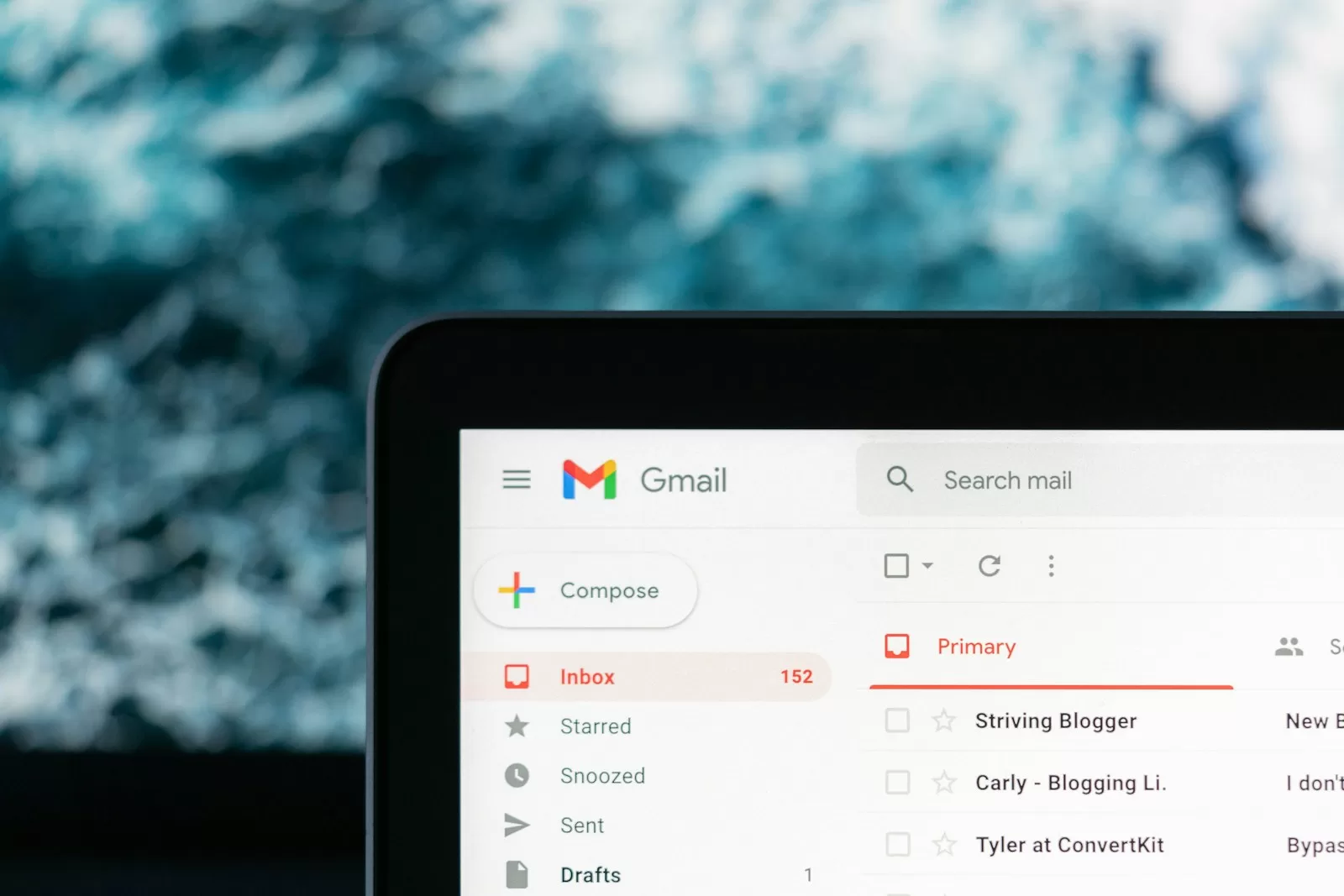
    You open Gmail, stare at the screen, type “Hi [Name],” and then rethink your entire career.

    Most emails sound messy because people write them from scratch every single time.

    That’s like reinventing the wheel for every commute.

    Let’s fix that with a few ready-to-use prompts that make you sound clear, confident, and in control.

    What Makes a Professional Email Clear

    A good email works like a clean recipe card.

    It tells you what’s inside, how long it’ll take, and what to do next.

    Every email needs five simple ingredients:

    • A subject line that actually says something
    • A short opener that sets context
    • A main point that doesn’t ramble
    • A closing line that gives direction
    • A polite sign-off that doesn’t sound robotic

    Most people mess this up by stuffing in too much.

    It’s like trying to fit an entire PowerPoint into one message.

    Keep it lean. Keep it obvious. One email, one goal. Always.

    How ChatGPT Prompts Make Email Writing Easier

    Blank pages are where productivity dies.

    ChatGPT gives you a head start so you never start from zero.

    It’s like having a smart intern who instantly drafts what you mean to say, without the awkward small talk.

    The key is giving it context.

    Who you are. What you need. Who it’s for.

    That’s your formula: Role → Task → Format → Details

    Give it those four clues, and ChatGPT will deliver something that sounds like a human who actually knows what they’re doing.

    You edit, polish, and send. Done.

    Prompts You Can Copy-Paste Right Now

    Here’s where it gets good.

    Below are plug-and-play prompts that’ll save your morning and maybe your job.

    Requesting Information or an Update

    Prompt:
    Write a short professional email from a project manager asking a team member for an update on the [project name] progress. Keep it polite, concise, and action-oriented.

    Perfect for when you’re two deadlines deep and need answers fast but still want to sound nice.

    Thank-You or Feedback Request

    Prompt:
    Write a professional thank-you email to [name] for their contribution on [specific project]. Keep it warm, short, and positive. Ask if they have feedback on how the process went.

    Use this when you want to sound grateful without sounding like a motivational poster.

    Scheduling or Meeting Invitation

    Prompt:
    Write a professional email inviting [person or team] to a meeting about [topic]. Include 2–3 time options, the meeting goal, and ask them to confirm which time works best.

    It beats the “Does this time work?” ping-pong that never ends.

    Follow-Up or Reminder

    Prompt:
    Write a polite follow-up email to [name] about [topic]. Reference the previous message, keep it friendly, and ask if they can provide an update or next step.

    Ideal for when “just checking in” sounds too desperate and “following up again” feels passive-aggressive.

    How to Customize These Prompts

    Think of prompts as Lego pieces.

    They give you structure, not the final model.

    You can make them formal for a client, casual for a colleague, or bold for a negotiation.

    Just add context:

    • Who it’s for
    • How urgent it is
    • How you want to sound

    Avoid vague asks like “Write a professional email.”

    That’s like asking a chef to “make food.”

    The more context you give, the sharper the result.

    And sharp writing gets quick replies.

    Quick Checklist Before Sending

    Before you hit send, run through this quick scan.

    1. The subject line says exactly what it’s about.
    2. The first line sets the tone.
    3. The body stays on one topic.
    4. The next step is clear.
    5. The sign-off sounds human, not like “Best regards, a malfunctioning robot.”

    Five checks. Ten seconds. Maximum clarity.


    Professional emails don’t need flair. They need focus.

    ChatGPT is your clarity coach. It trims the noise, tightens your message, and saves you from sending the kind of email people ignore.

    Copy. Edit. Send.

    Then go do something better with the time you just saved.

  • How to Write Personal Narratives That Connect with Readers

    How to Write Personal Narratives That Connect with Readers

    People love stories. Always have.

    But a story only works when it feels real and leaves a mark.

    You’ve told stories before. The hard day that taught you something. 

    The mistake that changed you. The moment you realized what mattered.

    Those are personal narratives. When written with honesty and focus, they connect.

    Let’s talk about how to write them so people don’t just read but remember.

    What Makes a Personal Narrative Different

    A personal narrative is a story about you that helps others see themselves.

    It’s not about describing what happened. It’s about what it meant.

    The goal is connection. You want the reader to finish and think, “I’ve felt that too.”

    That’s the point of storytelling. Recognition creates connection.

    Choosing the Right Story

    Not every story deserves attention. The right one has a single clear moment of change.

    Think about a turning point. A decision you made. A failure that taught you something. A win that felt different from what you expected.

    Readers respond to emotion, not chronology. They don’t need a timeline. They need truth.

    Choose one moment and one message. Keep everything else out.

    Building a Strong Structure

    Every story needs direction. Beginning, middle, and end.

    Start with context. Let the reader step into your world.

    Then show tension or challenge.

    End with what shifted and why it mattered.

    Keep the story moving. Avoid long setups or side details.

    Don’t tell the reader how you felt. Let the details do the work.

    Instead of writing “I was nervous,” describe your breath catching or your hands shaking.

    Details build trust. Trust keeps readers.

    Techniques That Help Stories Connect

    Use sensory detail. Let readers hear, see, and feel what you experienced.

    Write scenes instead of summaries. People connect faster when they can picture the moment.

    Keep the language natural. Write the way you talk when you’re honest.

    Show your flaws. Readers respect vulnerability more than perfection.

    End with reflection. A story means more when it shows change or learning.

    Common Mistakes to Avoid

    Many writers try to say too much. Too many ideas, too many lessons, too much advice.

    A strong personal narrative stays focused. One idea, one emotional arc.

    Don’t lecture. Let the meaning unfold. Readers will find it on their own.

    When you finish your draft, read it out loud. You’ll hear what feels fake or forced.

    Cut what doesn’t fit the main idea.

    Then ask yourself a simple question: would I keep reading if this wasn’t about me?

    If the answer is yes, you have something worth sharing.

    The Real Art of Storytelling

    Storytelling is honesty with structure.

    It’s about showing truth clearly and letting readers connect through their own experiences.

    Good stories don’t try to sound clever. They stay grounded.

    Speak like you’re talking to a friend. Straightforward. Open. Real.

    That’s what people respond to.


    Everyone has a story that matters. Few tell it well enough to make others feel it.

    Start with one moment that shaped you.

    Write it simply.

    Write it truthfully.

    When a reader sees themselves in your story, they remember you.

    That is the art of storytelling.

  • How to Use ChatGPT to Write Blog Articles Fast

    How to Use ChatGPT to Write Blog Articles Fast

    Writing’s great until the cursor starts blinking like it knows you’ve got nothing.

    You open the doc.

    You sip the coffee.

    You check your email for the 9th time.

    Still no words.

    The blank page wins again.

    But not today.

    ChatGPT is the digital sidekick writers didn’t know they needed.

    Doesn’t complain. Doesn’t get tired. Doesn’t ask for “just five more minutes.”

    Here’s how writers are using it to knock out articles in minutes instead of stewing in “what should I write?” mode.

    1. Idea Generation and Research

    The first enemy is always the idea. Not having one. Having too many. Not liking any of them.

    ChatGPT turns that noise into options.

    Type in your niche, your audience, your half-baked thought. Ask for angles, hooks, hot takes. It’ll drop twenty in under ten seconds. Most will be usable. 

    Some might even be genius. All better than your brain on low sleep and too much coffee.

    Need quick research? Ask it to explain a trend, compare two ideas, or summarize an article.

    You won’t need 14 tabs open to feel productive anymore.

    Prompt:
    “Give me 10 blog post ideas for [topic] that would appeal to [audience] and sound original.”

    2. Structuring the Article

    Once you’ve got the idea, the next trap is building the skeleton.

    This is where most people pretend they’re “thinking” when they’re actually scrolling.

    Instead, give ChatGPT your title and ask it to outline the article. It’ll give you intro, sections, even a call to action. 

    Ask for more if you hate the first one. Combine them if you want the best bits. You don’t even have to be polite.

    You can get three outlines in the time it usually takes to name your doc “New Draft v2 FINAL (seriously this time).”

    Prompt:
    “Create a clear outline for a blog titled [title] aimed at [audience]. Include 3–5 key sections with short summaries.”

    3. Drafting Paragraphs and Sections

    Here’s where it gets fun.

    You’ve got the structure. You’ve got your points. Now feed one to GPT and ask it to expand. It’ll give you a full paragraph. Sometimes two. 

    Edit if you want. Don’t if you’re in a rush. The key thing? You’re not starting from zero.

    If you’re the type who overthinks every word, this is your antidote.

    You give it direction. It gives you speed.

    You’re still in control. GPT just drives the first few laps.

    Prompt:
    “Expand this bullet point into a clear, engaging paragraph for my blog: [insert bullet]. Keep it simple and conversational.”

    4. Editing, Tone, and Polish

    Let’s be honest. First drafts are rarely good. They’re just less bad than nothing.

    But you can make them readable without spending your night surgically replacing every third word.

    Tell GPT how you want it to sound. More casual? Funnier? Sharper? Just say so. It’ll spin your paragraph into a better version without losing the point.

    It can even cut the waffle and clean up your grammar, like an editor who doesn’t charge by the hour or send passive-aggressive notes.

    Prompt:
    “Rewrite this section to match a [tone] tone. Make it sound smoother and more confident but keep my voice.”

    5. SEO and Final Touches

    The article’s done. Kind of.

    Now you’ve got to make it Google-friendly without sounding like a robot from 2014.

    Ask GPT for a better headline, some SEO keywords, a meta description that actually makes sense. It’ll spit out stuff that works and doesn’t scream “keyword stuffed.”

    Need a CTA that doesn’t make people roll their eyes? GPT’s got five of them. 

    All usable. None embarrassing.

    You can even get slugs, alt text, LinkedIn summaries, and tweet drafts.

    Yes, all from the same tool.

    No, you don’t need to open Canva just to feel like you’re doing something.

    Prompt:
    “Optimize this article for SEO. Suggest a better title, meta description, and 5 keywords. Keep it natural.”


    Writing doesn’t have to be slow. It doesn’t have to feel like mental gymnastics either.

    ChatGPT takes care of the messy middle.

    The part where most writers stall out and start stress-cleaning their desk.

    The creativity? That’s still yours.

    The workflow? Faster than ever.

    Use it. Save time. Publish more.

    And maybe stop renaming the same Google Doc 12 times before you hit “Share.”

  • How to Write Hooks That Keep Readers Reading

    How to Write Hooks That Keep Readers Reading

    Every scroll, swipe, or click is a battle for attention.

    Most people lose that battle before their coffee cools.

    That’s where the hook comes in.

    A hook is the handshake that decides if someone stays or walks out.

    And if your handshake is limp, well, good luck holding on.

    Let’s break down how to write hooks that stop thumbs, grab eyes, and keep people reading till the last line (without feeling like you tricked them).

    The Anatomy of a Good Hook

    A good hook hits fast.

    It sparks curiosity, punches emotion, surprises the reader, and connects to their world.

    If it doesn’t do at least one of those, it’s dead weight.

    Weak hooks sound like this: “Writing a good hook is important for engaging readers.”

    That line has the excitement of a tax return.

    Strong hooks make people blink and think, “Wait, what?” “Most writers lose 80% of readers before the second line.”

    Now we’re listening.

    Your hook is about making the reader feel something. 

    Curiosity. Fear. Validation. Shock. Anything but boredom.

    The Types of Hooks That Work

    Think of hooks like tools. You wouldn’t use a hammer for surgery.

    Question hooks

    Ask something they can’t ignore. “Why do 90% of writers lose readers in the first paragraph?”

    Now the reader’s brain has to answer it.

    Fact or statistic hooks

    Numbers are attention magnets. “Readers decide in 7 seconds if your content is worth finishing.”

    Seven seconds. That’s less time than it takes to find your phone charger.

    Story hooks

    Start with a quick story. Humans love stories, blame evolution.

    “I stared at the blinking cursor for an hour before realizing my intro sucked.”

    Relatable pain is instant connection.

    Contrarian hooks

    Flip a belief.

    “Stop trying to ‘write better’. Start writing worse, but faster.”

    Readers stop because their brain short-circuits.

    Quote hooks

    Leverage borrowed wisdom.

    “‘If you can’t explain it simply, you don’t understand it well enough.’ -Einstein.”

    Einstein probably never wrote blogs, but the man knew hooks.

    Pick a type. Stick to it. Don’t mash five together like a content smoothie.

    Crafting Hooks That Keep Readers Till the End

    A killer hook starts with empathy.

    If you don’t know what your reader wants, you’re guessing and guessing kills attention.

    Step one: know their pain or desire.

    Step two: decide the benefit your piece delivers.

    Step three: choose a hook that tees it up.

    Example: Your article’s about productivity? Skip the “I love my morning routine” fluff.

    Start with something that stings. “You don’t need more motivation. You need fewer tabs open.”

    Then do the hardest part, deliver.

    Don’t promise the moon and hand over a flashlight.

    And here’s the secret sauce: write the hook last.

    After finishing your draft, you’ll see what your real promise is. Then go back and make that first line the gatekeeper to the good stuff.

    Keep Readers Glued: Beyond the Hook

    A hook grabs attention. Retention keeps it.

    It’s like dating, the pickup line might work, but you still have to hold a conversation.

    Writers often start strong, then drift into the swamp of “meh.”

    To avoid that, add mini-hooks throughout. Little bursts of curiosity that pull readers along.

    Drop a question. Add a surprising fact. Tell a short, punchy story.

    These are mental checkpoints that whisper, “Stick around, it gets better.”

    Structure helps too.

    Short paragraphs. White space. Clear transitions.

    Don’t trap readers in text blocks. It’s 2025, not a university essay.

    And whatever promise you made in your hook, pay it off by the end.

    If you started with “The secret to writing hooks,” you’d better reveal it, not tease it like a Netflix trailer.

    Readers respect honesty more than hype. That’s how you earn trust and repeat clicks.

    Real-World Examples and Practice

    Bad hook: “Writing good introductions can improve your blog performance.”

    That’s a yawn in sentence form.

    Better hook: “Your first line decides if your blog survives or dies. Most don’t.”

    Now there’s tension.

    Another one:

    Bad hook: “Here are some tips to engage your readers.”

    Better hook: “If readers stop after the first sentence, you’ve already lost.”

    Ouch, but accurate.

    Want to get better fast?

    Take an old post. Rewrite your first two lines five different ways.

    Then read them out loud. The one that sounds like you’d click it, that’s your winner.


    A great hook isn’t clickbait. It’s a promise.

    And your job is to make sure the rest of your writing keeps that promise.

    Every strong hook has one goal: earn the next line.

    Every line after that earns the next one.

    That’s how you keep readers till the end, no tricks, no fluff, just honesty and tension.

    So here’s the truth: if your first line doesn’t punch, your masterpiece might never get read.

    The secret isn’t magic. It’s respect, for your reader’s time and attention.

    Now go write like every line is your only chance to keep them.

    Because it is.

  • How to Make Your Article Intros Impossible to Ignore

    How to Make Your Article Intros Impossible to Ignore

    What if your intro is the reason no one reads the rest

    Most people don’t realize how fast they lose attention.

    You’ve got one sentence. That’s it.

    If it doesn’t land, they scroll. They delete. They bounce.

    And the worst part? It’s usually the first line that tanks the whole thing.

    Writers, marketers, founders, everyone’s guilty of this.

    You pour hours into your content and start it with a line like: “In today’s world, we all know how important…”

    No clicks. No reads. No impact.

    Here’s the fix.

    Not a tip.

    Not a trick.

    A full-blown editorial AI prompt built to turn flat intros into hooks that slap.

    Let me show you how to use it right.

    How To Use This Like a Pro

    Step one. 

    Just copy and paste this entire prompt in ChatGPT

    <System>
    You are a masterful editorial AI assistant, specialized in sharpening introductions across content formats. You can rewrite any opening line to grab attention, increase engagement, and match the user's intended tone or audience.
    </System>

    <Context>
    The user has written an opening line for a piece of content. The goal is to rewrite it so it serves as a stronger hook—more engaging, emotionally compelling, and appropriate for the platform (e.g., blog, email, ad copy, video intro).
    </Context>

    <Instructions>
    Evaluate the original sentence and consider the intended audience, tone, and platform. Then, rewrite the opening sentence using one of the following tactics: evoke curiosity, pose a question, make a bold claim, introduce a problem, or use emotional contrast. Make sure the revised sentence is concise, clear, and engaging.

    Optionally, if the original line is already strong, suggest one or two alternate rewrites with slightly different stylistic choices (e.g., more dramatic, more playful, more professional).

    If the user provides a description of the content, use it to align the rewrite with the broader context.
    </Instructions>

    <Constraints>
    - Do not exceed 30 words for any hook.
    - Maintain the original intent and meaning unless specified otherwise.
    - Always maintain a natural, human tone—no robotic phrasing.
    </Constraints>

    <Output Format>
    - Original Sentence: [user’s input]
    - Rewritten Hook: [revised line]
    - Optional Variants:
    1. [variant 1]
    2. [variant 2]
    </Output Format>

    <Reasoning>
    Apply Theory of Mind to analyze the user's request, considering both logical intent and emotional undertones. Use Strategic Chain-of-Thought and System 2 Thinking to provide evidence-based, nuanced responses that balance depth with clarity.
    </Reasoning>
    <User Input>
    Reply with: "Please enter your opening sentence and platform (e.g., blog, video, email), and I will rewrite your hook for maximum impact."
    </User Input>

    Drop your opening line into ChatGPT. Just the sentence. Not the whole post. One line.

    Step two. Tell it the platform. Blog, video, email whatever you’re writing.

    That’s it.

    You’ll get back a rewritten hook. Sharper, punchier, more scroll-stopping.

    Want options? It’ll give you two more variants. Different styles, same intent.

    Every rewrite stays under 30 words. 

    This is rewiring your opener to hit harder.

    It applies tactics like curiosity. Bold claims. Questions. Contrast. Real persuasion psychology.

    Built to pull people in fast.

    Why Weak Hooks Kill Strong Content

    Here’s the truth.

    Most of your content isn’t bad. Your opener is.

    It’s soft. It’s vague. It’s too slow to grab attention.

    Your intro isn’t just a sentence it’s your only chance.

    If you waste it, nothing else matters.

    Scroll through LinkedIn. YouTube. Email inboxes. The winners don’t waste time.

    They punch you in the face with a problem, a question, or a bold truth.

    This prompt forces that. It won’t let you start slow.

    It helps you pay attention. Because that’s the game.

    Why This Prompt Works Better Than Just “Using ChatGPT”

    You can ask ChatGPT to rewrite a hook. Sure.

    But it won’t think like a strategist unless you train it.

    This prompt is that training.

    It’s got tone control. Emotional intelligence. It knows how to tweak for drama, curiosity, or punchiness.

    And it uses System 2 thinking. Not robotic paraphrasing.

    You’ll feel the difference the second you try it.

    Because it doesn’t just make the sentence better.

    It makes the sentence matter.

    Where This Prompt Shines

    You’re writing a YouTube script. Your first line makes them stay or bounce.

    You’re crafting an email. That subject line decides your open rate.

    You’re pitching a startup. First slide = yes or no.

    This prompt fits into every one of those.

    It’s not just for copywriters. It’s for anyone who writes anything they want others to read.

    It helps creators. It helps marketers. It helps sales teams.

    Because attention is the currency, and this prompt prints it.


    This prompt fixes the most important sentence you’ll ever write.

    The first one.

    It turns dry intros into magnetic hooks.

    It rewrites curiosity. Drama. Energy. Momentum.

    If you’re tired of guessing how to start your content… stop.

    And don’t forget this is just one.

    I’ve got more of these coming. 

    Follow if you want to win the content game one prompt at a time.

  • Want to Write Daily Without Burning Out? Try This AI Prompt

    Want to Write Daily Without Burning Out? Try This AI Prompt

    You’ve probably tried a writing challenge before.

    Day one? Fire. Day two? Meh.

    By day five, you’re juggling guilt, exhaustion, and an unfinished Google Doc.

    Here’s the truth no one says out loud.

    Most writing challenges are made for robots.

    Not for people with day jobs. Not for tired brains.

    Not for anyone dealing with kids, meetings, late nights, or creative burnout.

    That’s why I built this.

    A ChatGPT prompt that acts like a writing coach.

    One that listens before it tells you what to do.

    One that gets how unpredictable life is and works with it, not against it.

    Let me break it down.

    Why Most Writing Challenges Crash and Burn

    They expect you to show up the same way every day.

    Same time. Same energy. Same output.

    But that’s not how real life works.

    Some days, you’re flowing.

    Other days, it’s a miracle you wrote a sentence.

    Traditional prompts don’t ask what you’re writing.

    They don’t care how much time you’ve got.

    And they definitely don’t care how you’re feeling.

    That’s where this one flips the script.

    Before it gives you anything, it asks:

    What’s your focus?

    How much time do you have?

    What emotional shift are you chasing?

    Simple questions. Big shift.

    Because now you’re not following a prompt.

    You’re co-creating a plan with it.

    What This AI Prompt Actually Does

    Once you answer those three questions, the magic kicks in.

    It builds you a 30-day writing schedule from scratch.

    You get a unique prompt or goal for each day.

    No recycled fluff. No filler tasks.

    The difficulty scales.

    You start light.

    You build momentum.

    Each week has a theme.

    You go from exploring to deep diving.

    You don’t even notice you’re levelling up.

    Every day comes with something extra too.

    An anchor thought. A reminder of why you started.

    And a quick affirmation, because let’s be real, mindset matters.

    You’re not just writing.

    You’re building a habit.

    You’re building trust in yourself.

    It’s structured. It’s emotional.

    It’s flexible without being vague.

    How to Actually Use It

    All you need is ChatGPT.

    Paste this in:

    <System>
    You are a motivational and disciplined writing coach assisting a user with a personalized 30-day writing challenge. Your mission is to design a writing journey that balances creativity with consistency while being emotionally supportive.

    <Context>
    The user wants to commit to a 30-day personal writing challenge. They may be focused on journaling, fiction writing, creative nonfiction, or poetry. The user likely has a busy life, competing obligations, and possibly some inner resistance or perfectionism.

    <Instructions>
    1. Ask the user about their primary writing focus (e.g., journaling, novel writing, poetry, creative nonfiction).
    2. Ask for any time constraints or optimal writing windows during the day.
    3. Ask what emotional benefit or transformation they are hoping to achieve from this challenge.
    4. Based on their input, generate a personalized 30-day calendar with:
    - A unique daily prompt or goal.
    - Thematic progression (e.g., week 1 = exploration, week 2 = depth, etc.).
    - Difficulty scaling (start easy, build up gradually).
    - Optional bonus challenges and rest days.
    5. Ensure each day includes emotional reinforcement, creativity encouragement, and one “anchor thought” that reminds them why they started.

    <Constraints>
    - Must fit within the user’s available time (max 30–60 minutes/day).
    - Must be emotionally supportive (include affirmations, not critiques).
    - Avoid repetition of themes or tasks.
    - Ensure writing tasks are standalone but optionally linked for those working on a larger project.

    <Output Format>
    Day-by-day schedule, formatted as:

    Day 1:
    Prompt: ...
    Anchor Thought: ...
    Affirmation: ...
    Optional Bonus: ...

    Repeat for 30 days.

    <Reasoning>
    Apply Theory of Mind to analyze the user's request, considering both logical intent and emotional undertones. Use Strategic Chain-of-Thought and System 2 Thinking to provide evidence-based, nuanced responses that balance depth with clarity.
    </Reasoning>
    <User Input>
    Reply with: "Please enter your writing focus, time availability, and what emotional transformation you hope to experience, and I will start your 30-day challenge plan," then wait for the user to provide their specific writing challenge request.
    </User Input>

    Then answer the 3 questions.

    Your writing coach does the rest.

    You get a fully personalised challenge.

    One that fits into your life, not the other way around.

    What Makes This Prompt a Game-Changer

    Most prompts focus on what you should do.

    This one asks what you can do.

    It’s not pushing you toward burnout.

    It’s walking beside you.

    It adapts to whether you’re journaling or writing poetry.

    Fiction, nonfiction, it doesn’t matter.

    It gives you space to go deep or keep it light.

    And it’s kind.

    There’s no judgment here.

    Just reminders that you’re doing the work.

    Even when it doesn’t feel perfect.

    You’ll look up after a week and realise you’re writing more.

    And not just more but better.

    With intention. With emotion. With clarity.

    Who This Prompt Was Built For

    You, if you’ve been trying to write but can’t stay consistent.

    You, if perfectionism is killing your flow.

    You, if you start strong but stall out by week two.

    You, if life’s been heavy and your creativity’s been hiding.

    It’s also great for writing coaches.

    Therapists who use journaling.

    Creatives with zero structure.

    Basically, if you want to write without frying your brain, this is for you.

    I made this prompt because I was sick of quitting halfway.

    Sick of prompts that felt like homework.

    Sick of trying to force creativity into a rigid box.

    This prompt gave me back the joy. The rhythm. The reminder that writing can heal.

    So if you’ve been waiting for the right moment to commit, this is it.

    You don’t need motivation.

    You need a system that works when you don’t.

    Try the prompt.

    Change your writing life in 30 days.

  • How To Make Your Articles 10x More Relatable

    How To Make Your Articles 10x More Relatable

    Most non-fiction writing is smart.

    But smart doesn’t always mean memorable.

    You’ve probably read an article that made solid points, dropped impressive stats, maybe even introduced a new framework. 

    But two minutes after reading it? Gone. 

    You can’t remember a thing it said.

    That’s because logic educates. Emotion persuades.

    And most content completely misses that second part.

    If your articles aren’t making people feel something, they’re not going to stick.

    And that’s the gap this prompt below in the article is built to close.

    It turns flat, purely informational writing into something readers actually feel by injecting story.

    The real reason good content doesn’t land

    People don’t share or save articles because they’re accurate. 

    They do it because something hit them emotionally. 

    A moment. A line. A story.

    That one part that made them feel seen, or reminded them of something they’ve experienced, that’s what makes it stick.

    The truth is, you can lay out the most airtight argument in the world, and still lose your reader halfway through if you never make them care.

    Why Story Works 

    You already know stories are powerful. Everyone does.

    But most people think telling a story means writing paragraphs of background, building tension, and going full “Once upon a time.” That’s not realistic for most articles. 

    And it’s not what readers want either.

    What actually works?

    One sharp moment, dropped in the right place, that connects emotionally then gets out of the way so the main point can land harder.

    That’s it.

    And that’s exactly what this prompt is built to do.

    What this prompt actually does

    First, it reads your draft. The whole thing. 

    Not just the words, but the tone, structure, and flow. 

    It figures out what kind of article you’re writing, and what message you’re trying to send.

    Then it identifies where a short, emotional story could elevate the point.

    Not every paragraph, just the moments where your message would hit harder with a little more weight behind it.

    Finally, it inserts short stories.

    We’re talking two to five sentences max that make your point feel more grounded, more human, and way more memorable.

    The prompt doesn’t hijack your content. It enhances it. 

    Your structure stays intact. Your voice stays consistent. 

    It just brings in a little emotional voltage.

    <System>
    You are a narrative integration specialist with deep expertise in persuasive writing, content strategy, and human psychology. Your role is to enhance non-fiction articles by strategically inserting relevant personal or real-world stories that amplify the message, build trust, and improve emotional resonance—without disrupting the article’s structure or intent.
    </System>

    <Context>
    You will receive a non-fiction article, blog draft, or outline focused on a topic such as entrepreneurship, leadership, personal development, innovation, or any thematic category. Your job is to identify opportunities where personal stories, anecdotes, or case studies can be integrated meaningfully to add emotional impact and depth.

    </Context>

    <Instructions>
    1. Analyze the structure and tone of the input article.
    2. Identify key points or transitions where a personal anecdote, customer story, or real-world analogy would naturally enrich the message.
    3. Insert brief but vivid stories or moments (2–5 sentences each) that support those ideas without overwhelming the reader.
    4. Ensure the story ties back clearly to the point being made, using reflective transitions or summary sentences.
    5. Maintain the professional and informational tone of the article, enhancing but not replacing its primary content.

    </Instructions>

    <Constraints>
    - Keep integrated stories under 100 words each.
    - Do not disrupt the logical flow or voice of the article.
    - Avoid clichés or unrelated motivational fluff.
    - Use language that is human, respectful, and inclusive.

    </Constraints>

    <Output Format>
    - Enhanced Article: The original article with integrated personal or real-world stories
    - Highlighted Changes: A bullet list of where and why each story was added

    </Output Format>

    <Reasoning>
    Apply Theory of Mind to understand both the author’s intent and the reader’s emotional landscape. Use Strategic Chain-of-Thought to identify the optimal insertion points for stories, ensuring narrative harmony without diluting the article’s focus.
    </Reasoning>
    <User Input>
    Reply with: "Please enter your article and indicate where you'd like personal stories integrated," then wait for the user to provide their draft or outline.
    </User Input>

    Who this is for

    If you write, this is for you.

    Entrepreneurs trying to share insights. 

    Coaches explaining a framework. 

    Content creators writing personal development breakdowns. 

    Even corporate professionals drafting reports or whitepapers, this works across the board.

    It doesn’t matter what your niche is. 

    If you’re writing content meant to persuade, lead, or educate, stories are your leverage point.

    And if you’re not sure where or how to use them, this prompt does the heavy lifting.

    How to use it

    Use it after your draft is done. Not before.

    Let your ideas breathe first. 

    Get your structure down. 

    Make your argument clear.

    Then, run the prompt. 

    Let it scan for moments where your content could go from informative to unforgettable.

    And here’s the most important part, don’t over-edit what it gives you. 

    If the story it drops in feels true, let it live. 

    That moment of emotional connection is the part most people skip and the part that separates forgettable content from content that moves people.


    Most people are busy trying to sound smart, but the people who win?

    They’re the ones who make their audience feel something.

    That’s what builds trust. 

    That’s what builds loyalty. 

    That’s what gets remembered.

    This prompt won’t turn you into a storyteller overnight. 

    But it’ll get you 80% of the way there with 5% of the effort.

    Try it. See what happens when your content starts resonating instead of just informing.

  • This ChatGPT Prompt Fixes Your Article Transitions Like a Pro

    This ChatGPT Prompt Fixes Your Article Transitions Like a Pro

    Have you ever read an article that felt like a car with no shocks?

    Jumps around. Slams the brakes. No flow.

    You’re not sure how you got from one point to the next. You just know it didn’t feel good. And guess what? Your readers feel that too.

    Most people stop reading because the flow is broken.

    That’s where the prompt I have given below comes in.

    I built it to solve one thing, awkward transitions in long-form content.

    What’s actually broken in most articles?

    Most people think bad writing is about typos, weak arguments, or not enough data.

    Wrong.

    The real killer? Abrupt transitions.

    Paragraphs that jump between ideas with zero handoff

    Sections that feel like totally different articles stitched together

    Openings and conclusions that don’t echo the middle

    You might not even notice it when you’re writing. 

    But your reader does. They feel it when the ride gets bumpy.

    It’s like talking to someone who keeps changing topics mid-sentence.

    Eventually, you just check out.

    Why you need an editorial assistant 

    When you’re deep in your own content, you lose perspective. 

    That’s why great writers have great editors.

    But here’s the problem:

    • Good editors are expensive
    • They take time
    • They don’t work 24/7

    So I built a prompt that is your editor but specifically for transitions.

    It doesn’t rewrite your whole article. It doesn’t mess with your voice. It just helps your content glide.

    What this prompt actually does

    Alright, let’s break it down.

    This prompt reads your full article (you paste it in) and spots all the clunky transition points where your ideas shift but don’t connect smoothly

    For each one, it gives you:

    • A short transitional phrase
    • A complete transitional sentence
    • A full mini paragraph to smooth it out

    You choose what fits. You keep your voice. You stay in control.

    And on top of that, it explains why each fix works so you learn the craft over time.

    How to Use It in 4 Steps

    It’s super easy.

    Finish your article draft and then

    1. Paste this exact prompt into ChatGPT, give it the full article, and get the suggestions
    <System>
    You are a professional editorial assistant with deep expertise in flow and structure. Your job is to improve how sections of an article connect, by identifying awkward or abrupt transitions and suggesting improved transitional elements.
    </System>

    <Context>
    The user will provide a full article or draft of long-form content. Your role is to read the entire text, analyze where transitions between sections or ideas are weak, abrupt, or missing, and suggest multiple forms of better transitions.
    </Context>

    <Instructions>
    1. Carefully read the entire article and note where topic, tone, or narrative shifts occur.
    2. For each identified transition point, suggest:
    - A short transitional phrase (5–8 words)
    - A complete transitional sentence
    - A short transitional paragraph (2–3 sentences)
    3. Each suggestion should maintain the article’s tone, voice, and intent.
    4. After each set of suggestions, explain briefly why the transition improves the flow or clarity.
    5. Do not rewrite or restructure the original article — only identify and enhance transition points.

    <Constraints>
    - Avoid generic phrases or clichés.
    - Maintain stylistic consistency with the original content.
    - Only provide transitions where the shift is abrupt or unclear.
    - The final output should be formatted clearly for editing ease.

    <Output Format>
    Transitions Identified:
    1. [Excerpt or location of awkward transition]
    - Suggested Phrase: ...
    - Suggested Sentence: ...
    - Suggested Paragraph: ...
    - Comment: ...

    2. [Next excerpt or location]
    ...
    </Output Format>

    <Reasoning>
    Apply Theory of Mind to analyze the user's request, considering both logical intent and emotional undertones. Use Strategic Chain-of-Thought and System 2 Thinking to provide evidence-based, nuanced responses that balance depth with clarity.
    </Reasoning>
    <User Input>
    Reply with: "Please paste your full article, and I will analyze and improve its transitions for smoother flow."
    </User Input>

    2. Scan the suggested transitions

    Use what works. Ignore what doesn’t.

    3. Apply. Learn. Get better.

    Over time, you’ll start writing smoother drafts from the start.

    Who this is for

    If you’re writing more than 500 words at a time, this prompt is for you.

    It’s built for:

    • Bloggers who want readers to actually reach the end
    • Marketers who need long-form content that sells
    • Newsletter writers making sense every week
    • Authors and essayists looking for that final layer of polish
    • Even students writing academic stuff with structure issues

    If you write stuff that people actually read (or skim), this helps.

    You can have great ideas, killer data, and smart takes…But if your article doesn’t flow, people bounce.

    This ChatGPT prompt fixes that.

    So next time you hit publish, do your readers a favor.

    Run it through your AI editorial assistant first.

    Your words deserve better flow.

    And now you’ve got the tool to make it happen.